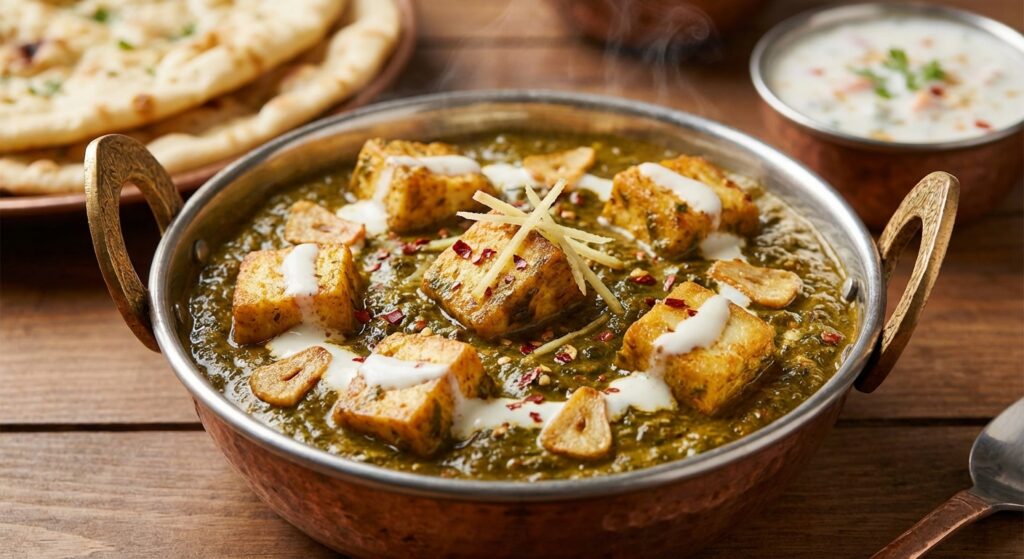
Palak Paneer Recipe: The Ultimate Guide to Perfect Creamy Spinach Curry
Palak paneer is one of those dishes that manages to be both comforting and sophisticated at the same time. It is a staple in North Indian restaurants, a weeknight favorite in countless homes, and a dish that vegetarians and meat-eaters alike order without hesitation. If you have ever wondered why restaurant palak paneer tastes so much richer and silkier than what you make at home, this guide will walk you through every detail so you can nail it every single time.
At its core, palak paneer is a straightforward dish. You blend spinach into a smooth green puree, cook it with onions, tomatoes, garlic, ginger, and spices, then finish it with cubes of paneer cheese. But the difference between a mediocre version and a truly outstanding one comes down to technique, timing, and a few small tricks that make all the difference.
Understanding the Ingredients
Before you start cooking, it helps to understand what each ingredient does and why it matters. The spinach is obviously the star, and fresh spinach will always give you better color and flavor than frozen. If you can find mature spinach with thick leaves, it will hold up better during blanching and pureeing than baby spinach, though baby spinach works in a pinch. The key is to blanch the spinach briefly and then shock it in ice water. This step preserves the bright green color and removes some of the bitterness that raw spinach can have.
Paneer is a fresh, non-melting Indian cheese that you can find at most Indian grocery stores. It has a mild, milky flavor and a firm texture that holds up beautifully in curries. If you cannot find paneer, you can make your own at home by heating whole milk with lemon juice or vinegar until the curds separate, then pressing the curds in a cheesecloth-lined mold. Homemade paneer tends to be softer and creamier than store-bought, which is a nice bonus.
The base of the curry is built on a combination of onions, tomatoes, garlic, ginger, green chilies, and cumin. These aromatics are sautéed until golden and fragrant, then blended with the spinach to create the smooth, velvety sauce. Whole spices like cumin seeds and dried red chilies add depth, while a finishing touch of cream or butter rounds everything out.
Blanching the Spinach
This is the single most important step in making good palak paneer, and it is worth doing right. Bring a large pot of water to a rolling boil. Add a generous pinch of salt and a pinch of baking soda. The baking soda helps the spinach retain its bright green color during cooking. Drop the spinach leaves into the boiling water and let them blanch for exactly 60 to 90 seconds. You want the leaves to wilt but not turn mushy or lose their color.
While the spinach is blanching, prepare a large bowl of ice water. As soon as the 60 to 90 seconds are up, use a slotted spoon to transfer the spinach directly into the ice water. This stops the cooking process immediately and locks in that gorgeous green hue. Let the spinach sit in the ice water for a couple of minutes, then drain it thoroughly. Squeeze out as much excess water as you can. This is important because watery spinach will dilute your curry and make it thin instead of luscious.
Building the Curry Base
Heat two tablespoons of oil or ghee in a heavy-bottomed pan over medium heat. Add a teaspoon of cumin seeds and let them sizzle until they start to crackle and smell nutty, about 30 seconds. Add one large onion, finely chopped, and cook until it turns golden brown, stirring occasionally. This should take about eight minutes. Do not rush this step. Browning the onions properly is what gives the curry its deep, savory flavor.
Add four cloves of garlic, minced, and a one-inch piece of ginger, grated. Stir for about a minute until the raw smell disappears. Add two green chilies, slit lengthwise, and cook for another 30 seconds. Next, add two medium tomatoes, chopped, along with a teaspoon of salt. Cook the tomatoes until they break down and become soft and pulpy, about five to seven minutes. You want them to lose their raw, acidic taste and become sweet and mellow.
Once the tomatoes are cooked, remove the pan from the heat and let the mixture cool slightly. Transfer it to a blender along with the blanched spinach. Blend until you have a smooth, vibrant green puree. If the mixture is too thick to blend, add a splash of water, but be conservative. You can always thin it out later when you are cooking the curry.
Cooking the Curry
Wipe out the pan and place it back on medium heat. Add another tablespoon of oil or ghee. Add a pinch of asafoetida and a teaspoon of Kashmiri red chili powder for color and mild heat. Stir for a few seconds, then pour in the spinach puree. Be careful, it will splatter. Reduce the heat to low and stir well to combine.
Let the curry simmer gently for 12 to 15 minutes, stirring occasionally. The raw taste of the spinach should disappear, and the curry will thicken and develop a deeper flavor. If it gets too thick, add a little water to reach your desired consistency. Season with salt to taste and a pinch of garam masala for warmth.
Stir in two tablespoons of heavy cream or a tablespoon of butter. This is what gives palak paneer its characteristic richness and silky mouthfeel. You can skip the cream if you want a lighter version, but it really does make a difference. Let it simmer for another two minutes so the flavors meld together.
Preparing the Paneer
While the curry is simmering, cut the paneer into cubes. You can use paneer as is for a softer texture, or you can pan-fry the cubes for a firmer exterior and slightly nutty flavor. To fry the paneer, heat a tablespoon of oil or ghee in a non-stick pan over medium-high heat. Add the cubes in a single layer and cook until golden on each side, about two minutes per side. Do not overcrowd the pan or the paneer will stick together.
Some people prefer to deep-fry the paneer for an even crispier exterior, but pan-frying gives you plenty of texture without making the dish overly greasy. Whichever method you choose, add the paneer cubes to the curry at the very end and gently fold them in. Let them sit in the hot curry for a minute or two so they absorb some of the flavor.
Serving Suggestions
Palak paneer pairs beautifully with fresh, hot rotis, naan, or jeera rice. Garnish with a swirl of cream, a sprinkle of garam masala, and a few julienned ginger strips for an elegant finish. If you like a bit of crunch, add some toasted cumin seeds on top.
This dish also works well as part of a larger Indian meal. Serve it alongside dal, raita, pickle, and a simple salad for a complete spread. The creamy, mild spinach curry balances beautifully with spicier dishes and the cooling tang of raita.
Common Mistakes to Avoid
The most common mistake people make with palak paneer is overcooking the spinach during the blanching stage. If you boil it for too long, the spinach turns a dull, unappetizing brown and develops a bitter flavor. Stick to 60 to 90 seconds and shock it in ice water immediately. Another mistake is using too much water when pureeing, which results in a thin, watery curry. Add water sparingly and only if the blender is struggling.
Overcooking the onions is also a problem. You want them golden brown and sweet, not charred and bitter. Keep the heat at medium and stir occasionally. Finally, do not add the paneer too early in the cooking process. If it sits in the hot curry for too long, it becomes rubbery and tough. Add it at the end, turn off the heat, and let the residual warmth do the work.
Storage and Reheating
Palak paneer keeps well in the refrigerator for up to three days. Store the curry and paneer together in an airtight container. When you are ready to reheat, warm it gently in a pan over low heat. Do not boil it aggressively, as the cream can split and the paneer can become rubbery. If the curry has thickened too much during storage, stir in a splash of water to loosen it up.
You can also freeze the curry base without the paneer for up to a month. Thaw it overnight in the refrigerator, then heat it up and add fresh paneer cubes before serving. This is a great way to meal prep without sacrificing quality.
Final Thoughts
Palak paneer is one of those dishes that rewards attention to detail. Blanching the spinach properly, browning the onions deeply, simmering the puree patiently, and finishing with cream and butter are all small steps that add up to a big result. Once you make it a few times, it will become second nature, and you will wonder why you ever thought it was difficult. The vibrant green color, the creamy texture, the mild warmth of the spices, and the soft paneer cubes come together to create something truly special.
Give this recipe a try and adjust it to your own taste. Some people like it spicier with more green chilies. Others prefer a milder, more kid-friendly version. You can swap the paneer for tofu for a vegan twist, or add a handful of cashews to the puree for extra creaminess. The beauty of palak paneer is that it is endlessly adaptable while remaining unmistakably Indian. Make it your own, and enjoy every bite.


Reader Comments
Leave a Comment
No comments yet. Be the first to share your thoughts!